.jpg&w=1080&q=75)









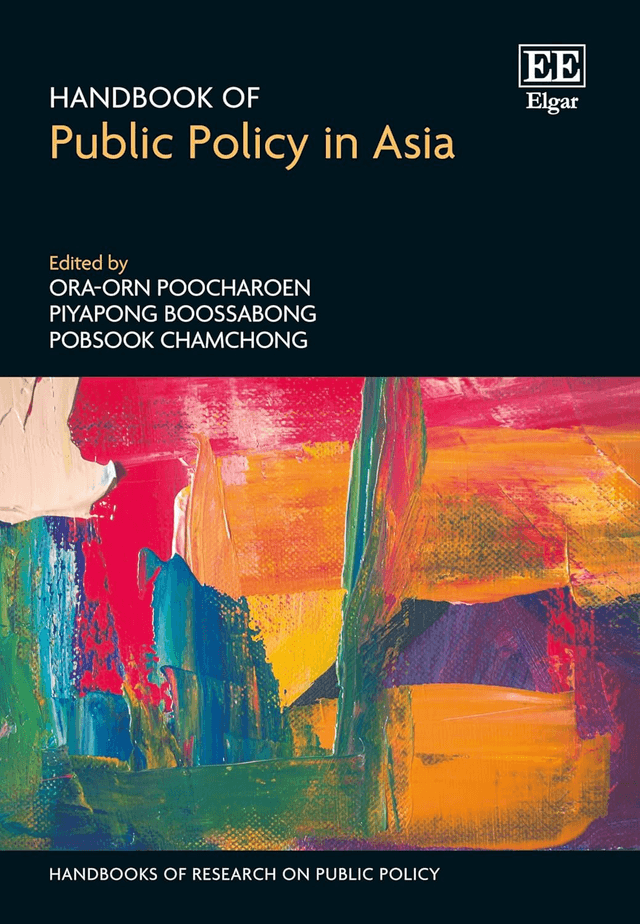
Handbook of Public Policy in Asia
Chapter: Public policy in Bangladesh: confronting top-down, incremental, and political interference
Policies are essential for organizing and guiding actions in many areas of a country. They are often defined as rules that guide decisions, actions, or a course of action. They can come in a wide variety of shapes and sizes and may be institutional, private, governmental, group-based, or even individual. Although the term 'public policy' covers a wide range of ideas, it often refers to the guiding principles of a government and/or actions taken with the specific intent of resolving public concerns and advancing the public interest. However, the results of any public policy are greatly influenced by the way it is formulated and carried out. Many countries, including Bangladesh, develop various national or public policies that outline what must be done and accomplished in a range of public realms in the best interests of the people. This chapter explores the public policy landscape in Bangladesh. It starts with the historical trajectories of public policy in the country. It then elaborates on key methods of policy analysis by highlighting their top-down, incremental, and political natures. After that, the chapter identifies key actors in policy formulation in Bangladesh before clarifying the implementation and evaluation stages of public policy. Next, it explains policy education, training, research, and practice in the country, followed by a case study on environmental policy. It ends by analyzing the general features of Bangladesh's public policy, including political interference.